Luxury in residential architecture is undergoing a fundamental paradigm shift. The era where high-end living was strictly defined by imported finishes, oversized lobbies, or an endless checklist of superficial amenities is giving way to something far more meaningful. Today, modern luxury high-rises are judged not by how ostentatious they look on day one, but by how effortlessly they support human life, foster well-being, and integrate into their local cultural fabric.
At Design Forum International (DFI), we believe true luxury begins with a simple premise: how a person feels in a space. As architectural design trends evolve, the real luxury lies in human-centric design, spatial intelligence, and the subtle interplay between cutting-edge technology and natural context. Nowhere is this transformation more evident, or more vital, than in India’s rapidly growing Tier-2 cities.
The Shift to Spatial Luxury in Tier-2 Cities
Cities like Lucknow represent a unique, evolving demographic. These urban centres possess immense cultural depth, a refined pace of life, and an elevated sense of heritage. Applying a generic, copy-paste template of global luxury here simply does not work. Homeowners in Tier-2 markets seek spaces that feel aspirational yet deeply rooted, offering world-class standards alongside everyday comfort.
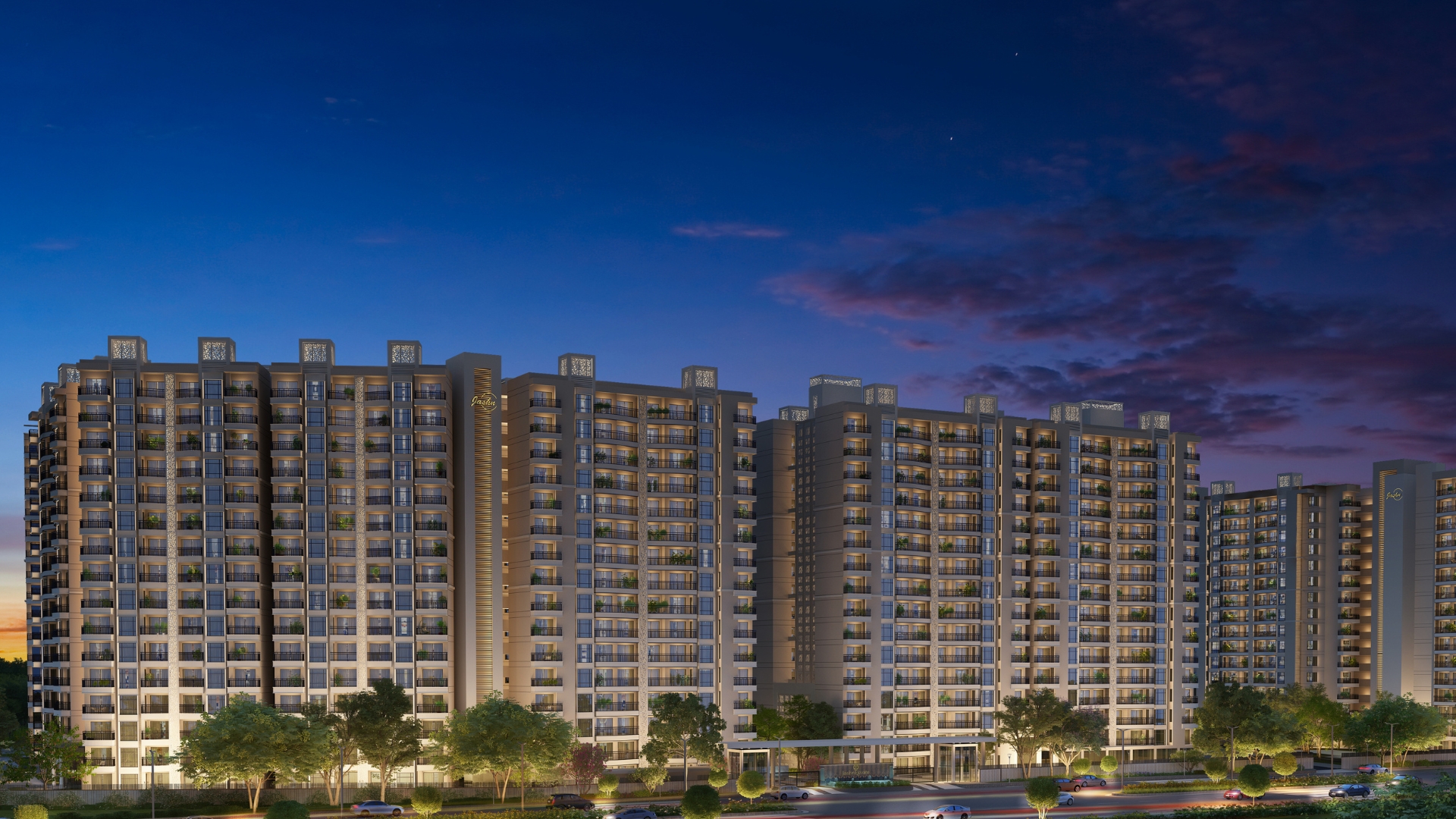
This exact contextual necessity guided our design for Jashn Elevate in Lucknow. Rather than building a landmark monument of mere opulence, the planning started from the inside out, prioritising apartment quality, natural proportions in living spaces, and an intuitive flow from arrival to entry.
By analysing how families interact throughout the day, the architecture honours spatial freedom:
Biophilic architecture principles ensure balconies act as seamless, functional extensions of indoor living rather than decorative add-ons.
Passive design strategies optimise natural daylighting and cross-ventilation, reducing reliance on artificial cooling and bringing views deep into every home.
Bedrooms serve as quiet, private retreats, while common living areas maintain an open, welcoming spatial sequence.
Integrating Technology for Modern, Seamless Living
While spatial layout forms the physical backbone of luxury, smart building technology serves as its invisible nervous system. True luxury high-rises leverage smart tech not as a gimmick, but to deliver effortless convenience, enhanced security, and environmental intelligence.
In forward-thinking residential developments, technology enhances everyday living through:
PropTech integration and smart home automation for personalised climate, lighting, and energy management.
Advanced, touchless sustainable building systems that optimise water usage and waste management across the masterplan.
Integrated security and intuitive access controls that create a sense of calm and safety from the moment residents cross the gate.
When technology works quietly in the background, it creates an environment where residents experience absolute ease without feeling overwhelmed by gadgets, a core pillar of modern luxury.
Experience Over Opulence: The Enduring Value of Design
A residential campus should never feel like a disconnected collection of towers. It must function as a continuous sequence of moments, from moving through landscaped pathways to stepping into a private residence. Through project executions like Jashn Elevate, the ambition remains clear: to build enduring value through quality planning, sound engineering, and thoughtful execution.
Opulence may command brief attention, but intuitive design and sensory comfort are what give architecture lasting value. The future of luxury living belongs to spaces that support privacy, community, technology, and well-being in equal measure, creating homes that feel genuinely tailored to the people who inhabit them.
What aspect of modern high-rise design matters most to your daily life: smart tech, spatial flow, or outdoor connection?