As Indian cities densify and the retail landscape evolves, the high street retail experience is transforming from a simple shopping destination into a vibrant urban public realm. Unlike enclosed malls, the new high street offers walkability, mixed-use retail spaces, and a strong focus on user experience, making it an active civic interface.
While designing retail environments that prioritise human-centric architecture and climate-responsive design, DFI’s recent project, Eldeco Center in South Delhi, is a prime example of this vision.
How Eldeco Center Reflects the Vision of High Street Retail Design
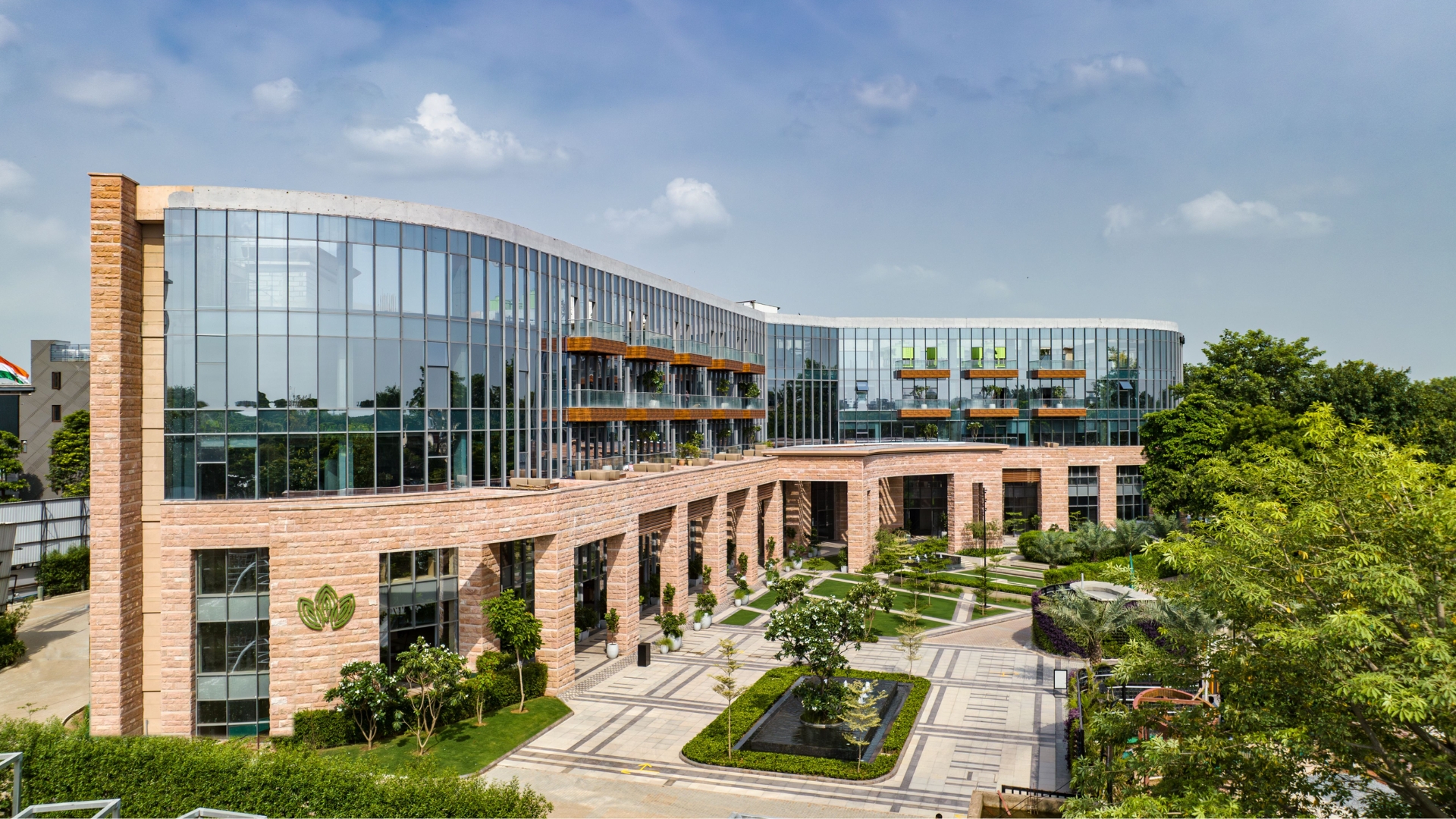
A notable example of this reimagined retail vision is DFI’s Eldeco Center in South Delhi, situated between the Saket and Malviya Nagar metro stations. Eldeco Centre is a mixed-use development that blends retail architecture, commercial office spaces, and public realm design. The project incorporates:
Shaded double-height retail corridors that promote natural ventilation and daylighting
A stone façade inspired by traditional Delhi fort architecture, enhancing both visual and thermal comfort
Expansive column-free interiors that allow flexible retail layouts
Integrated green terraces and courtyards that enhance walkability and user comfort
The design ideology transforms retail into an open and welcoming urban space.
Key Architectural Features That Enhance the Retail Experience
Successful high street retail requires a design that encourages active pedestrian engagement, fosters social interaction, and promotes a sense of comfort. Eldeco Center achieves this by:
Blurring the boundaries between indoor and outdoor retail spaces through transparent façades and open thresholds
Incorporating landscape features like planters and green buffers to reduce urban heat and improve air quality
Using natural materials such as stone and timber to create a warm and tactile environment
Designing interactive storefronts and public seating areas to encourage longer visits
For daily users—whether office-goers enjoying a shaded lunch spot, shoppers casually strolling between stores, or passers-by using the central courtyard as a shortcut—the space fosters comfort, sociability, and a sense of belonging within the urban fabric.
Flexibility and Identity in Retail Architecture
Eldeco Centre’s design framework supports a diverse retail mix, from boutique stores to flagship brands. Key features include:
A modular façade system that ensures cohesive yet adaptable storefront design
Dedicated zones for signage and branding without cluttering the streetscape
The use of durable, locally inspired materials that create a strong and lasting urban identity
This balance helps maintain architectural coherence while allowing flexibility for tenants.
What Makes Retail Spaces Sustainable?
By integrating passive cooling techniques, natural daylighting, and green spaces, Eldeco Centre sets a benchmark for sustainable retail architecture. The shaded walkways and terraces provide thermal comfort, encouraging healthy and outdoor-oriented user movement.
These features not only reduce energy consumption but also promote well-being—key factors in the future of retail urbanism.
The Future of High Street Retail: A Civic, Sustainable Model
Through projects like Eldeco Centre, a new vision for high street retail development is emerging—one that combines user-focused design, environmental responsibility, and urban integration.
High street retail is no longer just about shopping; it is a place for community, connection, and culture. It becomes part of people’s everyday routines—a familiar, walkable destination where errands, leisure, and informal meetings can naturally unfold.
As cities continue to grow and retail continues to evolve, projects like Eldeco Centre demonstrate how architecture can bridge commerce and community in meaningful and sustainable ways.
As architectural boundaries continue to be pushed, luxury housing in India will undoubtedly remain at the forefront of architectural innovation, offering residents a life of unmatched luxe and style while enabling community living.