India's architecture landscape is evolving rapidly, shaped by urbanisation, changing lifestyles and growing expectations around sustainability and design quality. As cities expand and diversify, the role of the top architects in India has grown beyond drawing buildings; it now involves shaping how people live, work and move through increasingly complex urban environments.
For developers, businesses and homeowners searching for the best architecture firms in India, the right partner must address far more than aesthetics. Site context, climate, structural performance, sustainability, regulatory compliance and long-term adaptability all determine whether a development succeeds beyond its opening day.
Climate-Responsive Design Across Diverse Geographies
India's architectural challenge lies in its geographic diversity. What performs in Mumbai's humidity does not necessarily work in Delhi's extreme seasonal swings or Bengaluru's temperate climate.
Leading architects in India treat every project as a response to its specific context, using orientation, shading, ventilation and material selection to reduce energy dependency while improving comfort. This climate-first approach has become a defining marker of quality architectural design firms in India, distinguishing considered design from generic, imported templates.
Designing for Residential, Commercial and Institutional Needs
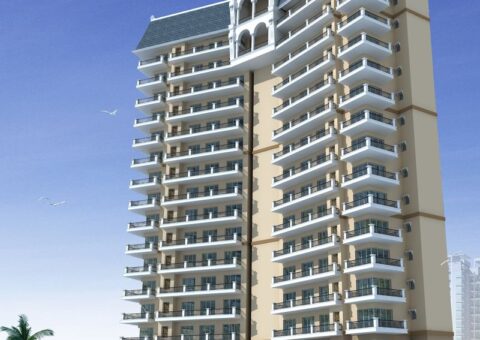
The scope of work handled by top architecture firms in India spans residential towers, commercial campuses, retail destinations, hospitality and institutional buildings, each with distinct planning logic.
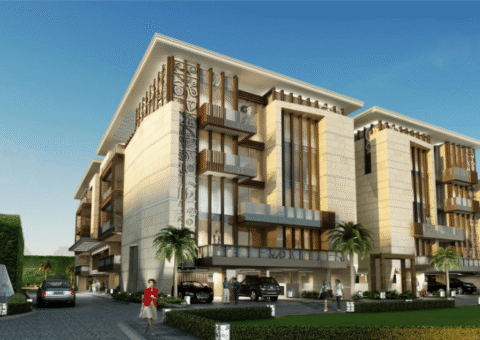
This breadth demands versatility. The best residential architects in India must understand family living patterns and community design, while commercial architects in India focus on flexible floor plates, workplace experience and long-term asset value. The strongest firms move fluidly between these typologies without compromising design rigour.
Sustainability and Long-Term Urban Value
Sustainability has moved from an optional add-on to a core expectation. Sustainable architecture in India now integrates passive design, water and energy efficiency, and material responsibility from the earliest planning stages, not as retrofits.
As India's cities continue to grow, the