Designing for Movement: Walkability in Architecture
At Design Forum International (DFI), architecture is more than a collection of built forms; it is a responsive environment where people live and work. As our cities grow denser and lifestyles become more hybrid and sedentary, walkability in architectural design is emerging as a defining lens through which we shape workplace wellness, mobility, and the human experience.
At Design Forum International (DFI), we also focus on the in-between moments—the transitions, thresholds, and quiet pauses that shape how people feel in a space.
Why Walkability Matters
Walking was once an incidental part of daily life. Today, it is intentional—a proven contributor to physical health, mental clarity, and emotional balance. Research continues to show that light movement throughout the day improves creativity, reduces stress, and stimulates cognitive function.
Modern life has become increasingly sedentary, dominated by screens, confined routines, and disconnected transitions. In this reality, the spaces we inhabit have a renewed responsibility: to encourage physical activity, foster spontaneous engagement, and support holistic well-being.
At Design Forum International (DFI), designing for walkability means embedding movement into the DNA of a space, through features such as open staircases, visual porosity, intuitive wayfinding, shaded transitions, and multi-sensory circulation. Walkability is executed as a transformative design tool that promotes well-being, lowers environmental impact, and builds more inclusive, human-centric architecture
Reimagining the Façade as a Vertical Ecosystem
Walking as a design tool, when integrated thoughtfully into building design, supports physical health, mental clarity, and spontaneous social interaction.
In a new workplace architecture concept at DFI, the building mass is divided into two volumes, linked not by enclosed corridors, but by stepped green terraces. These terraces serve as functional circulation zones, featuring generous stairways, dense planting, and open skies.
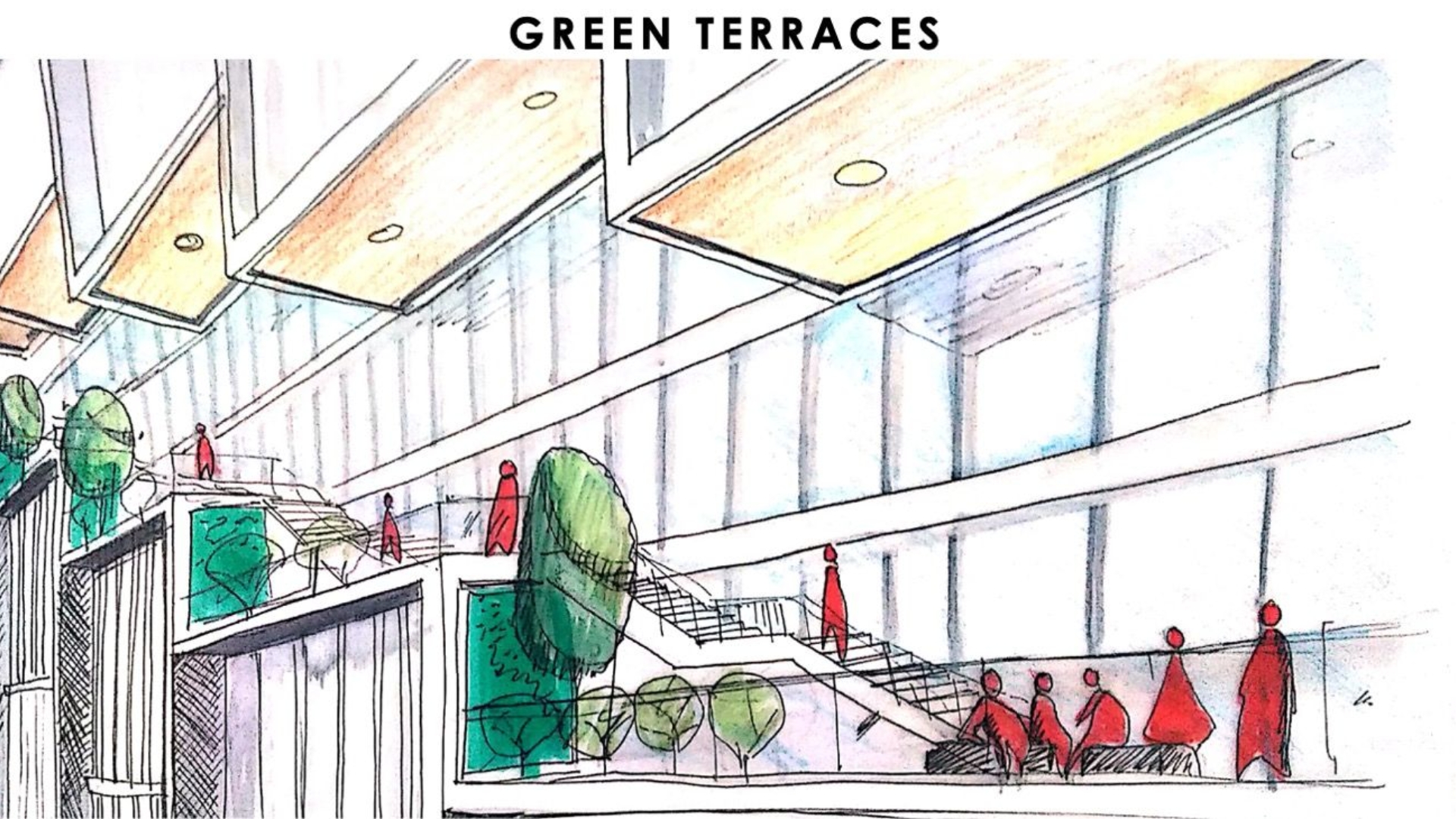
This vision transforms the façade from a static enclosure into a landscape-responsive architecture, a vertical ecosystem that supports daily motion, biodiversity, and energy-efficient operation. It reduces elevator dependency, encourages light physical activity, and transforms the building's skin into a living path.
Walk-to-Work
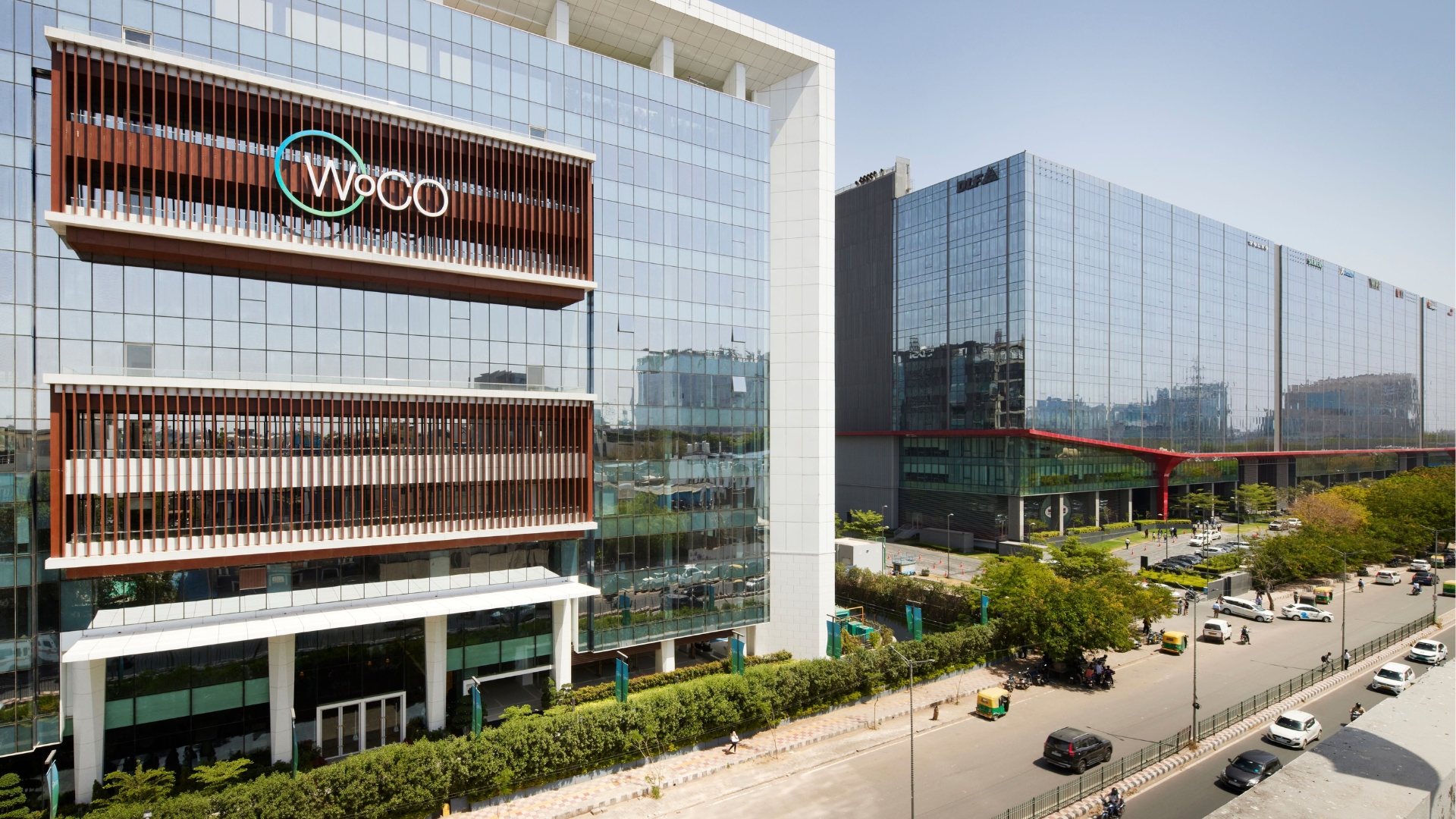
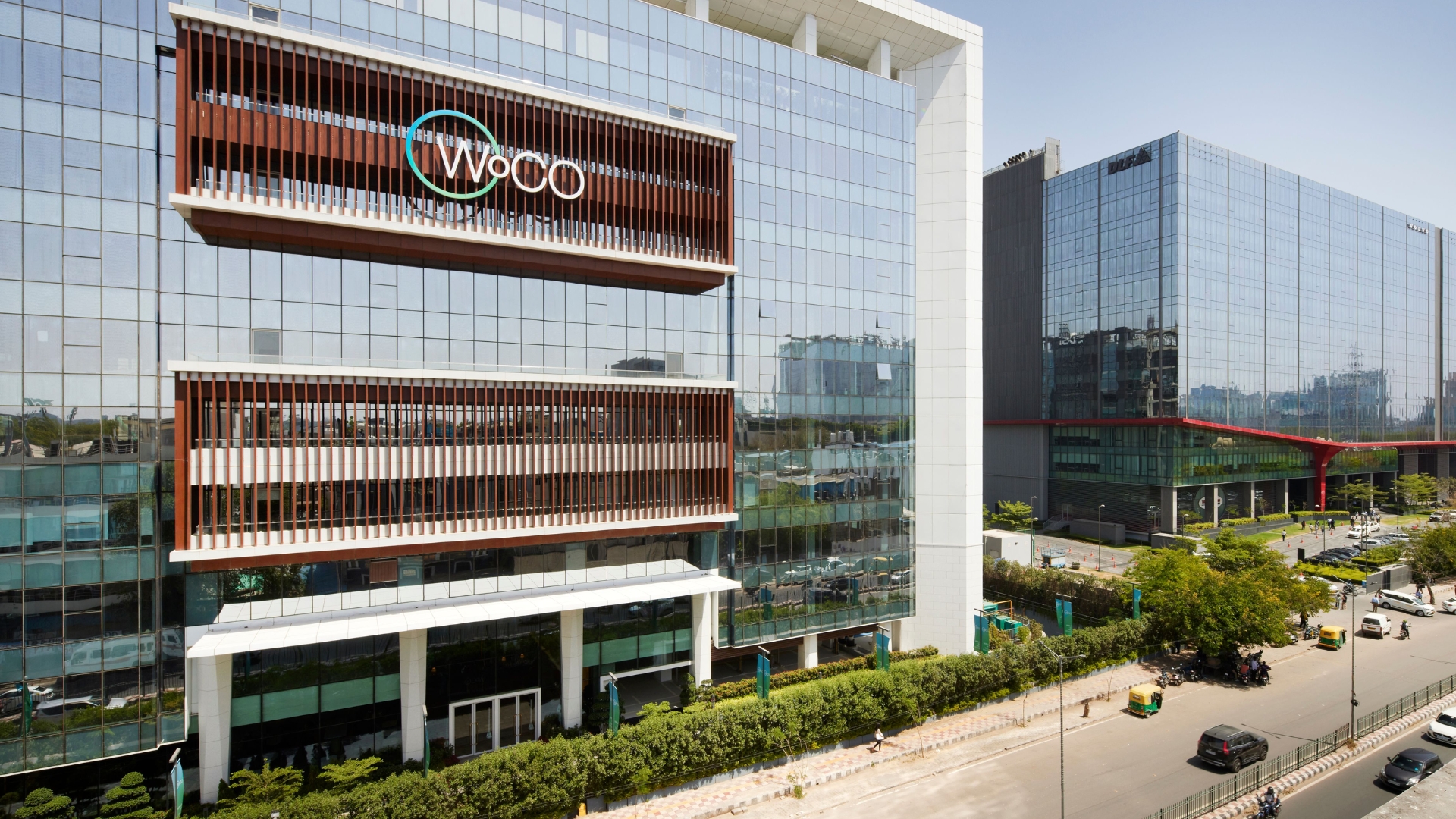
This philosophy finds its fullest expression in WoCO One—an iconic DFI workplace project in Gurugram, located just steps from a major metro station. WoCO One embodies the walk-to-work lifestyle. From the city street to the inner lobby, the experience is uninterrupted and humane, thanks to gently sloped thresholds, shaded walkways, and landscaped buffers that guide movement with comfort and clarity.
Inside, 24-foot-deep balconies, green terraces, and semi-open verandahs extend the workspace into the outdoors, blurring the boundaries between productivity and pause. These elements encourage midday strolls, fresh-air breaks, and informal conversation, cultivating cognitive sharpness and emotional balance.
Designing for Thoughtful Movement
From metro-linked workplaces to green-integrated façades, DFI’s approach to walkable architecture is rooted in empathy, intuition, and intention. Every step is an opportunity to recharge, reconnect, and reimagine how space can serve the human spirit.
Through visible staircases, multi-sensory circulation, and engaging ground-level zones, we design movement not as an afterthought but as an everyday ritual, supporting both spatial efficiency and mental well-being.
At Design Forum International (DFI), we believe the future of architecture lies in creating spaces that move with people, not just around them. Spaces that respond to their rhythms, elevate daily experiences, and make room for the rituals that matter.
“The buildings of the future won’t just be smart—they’ll be sensitive.
Designed not only for efficiency, but for the rhythm of human life.”