For decades, the shopping mall has been a defining format for retail architecture in India's cities, bringing shopping, dining and entertainment together within a controlled, climate-sealed environment. The enclosed mall offered predictability and convenience, creating an inward-facing retail experience that suited the needs of a rapidly urbanising consumer landscape.
Today, the way people experience retail is changing. Modern retail design is increasingly moving towards spaces that encourage walkability, social interaction and a stronger connection to the street. This shift is drawing footfall towards open-air retail spaces that offer shaded pathways, outdoor gathering areas, mixed-use amenities and opportunities to pause beyond the act of shopping. The question is no longer simply how to control the retail environment, but how to create spaces that engage with the city around them.
From Enclosed Mall to Urban Destination
Consumer behaviour has moved decisively toward open-air retail and mixed-use retail destinations that read less like shopping centres and more like extensions of the city itself.
A mall built as a sealed container isolates the shopper from the city. A street-format retail precinct does the opposite, inviting the city in. Climate-responsive design, once a niche concern for offices and homes, has become central to retail planning too, as shaded courtyards, cross-ventilated arcades, and porous facades create comfort without the isolating effect of full enclosure.
The enclosed mall is optimised for control. The open high street optimises for belonging, and it is this shift that is turning retail destinations into urban landmarks in their own right.
Designing for the Pedestrian
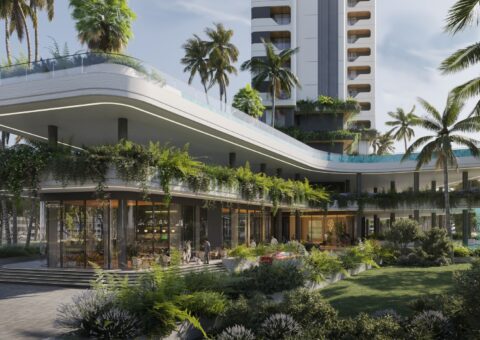
If the open-air format is to succeed, it cannot simply remove the roof. Pedestrian-first design demands the same rigour that climate control once did, only directed outward, engineered through shaded pathways, deep setbacks, water features, and massing that self-shades key zones through the day.
Transit connections, drop-off points, and vehicular access need to be resolved separately from pedestrian flow so that arrival never disrupts the walkable retail experience.
Open-air food courts and performance spaces, such as amphitheatres and plazas, built into the landscape convert retail from a place people visit into a place people gather. This is what distinguishes a public square retail model from a mall with better ventilation: the deliberate design of moments for pause and shared experience, not just circulation between stores.
Opening Retail to the City
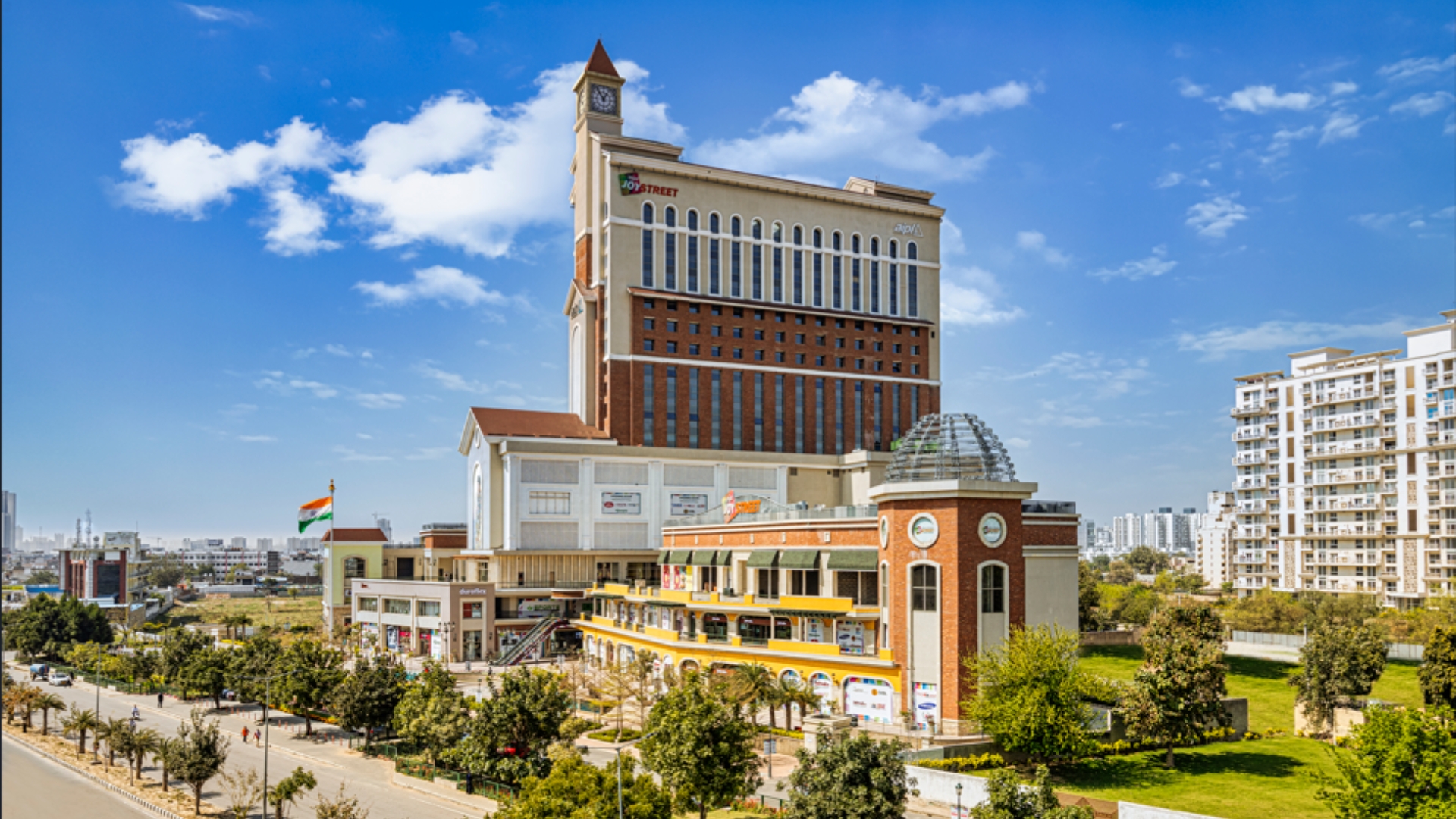
These pedestrian-first principles take shape at AIPL Joy Street, an open-concept mall in Gurugram, where the design embraces the site's acutely angled geometry through a stepped facade, increasing retail frontage while creating a sequence of internal courtyards.
The plot separates vehicular access along one edge from a fully pedestrian side, where a 10-metre setback becomes a spill-out zone for alfresco seating and performance space, letting the street feel unhurried and keeping traffic out of the pedestrian plaza. Themed courts, murals, water features, and greens complete the sense of place, reinforcing Joy Street's identity as an experiential shopping destination.
Self-shading architecture does much of the comfort work here. A clock tower on the west corner shades the ground-floor food street through the day, while humidifier strips and building massing soften the region's hot, dry climate passively, a hallmark of sustainable retail design.
Stacked above street level, a multiplex, an open-air food court with terrace dining, flexible offices, and serviced apartments all organise around the same street, a working example of the multi-level open-air layout shaping the future of retail-led mixed-use developments.
Towards the Public Square
The mall is not disappearing because people have stopped shopping. It is disappearing because the format no longer matches how people want to spend time in public.
Future-ready retail design treats a development not as a container for stores but as a piece of the city: shaded, walkable, socially alive, and open to the street it sits on. When retail architecture takes on this public role, it does more than sell; it becomes a public square people choose to be in.