Luxury home design is undergoing a meaningful shift. Visual grandeur and material excess no longer define value in contemporary luxury housing. Instead, homes are expected to support restoration, privacy in residential design, and long-term livability. As daily life becomes more demanding and digitally saturated, the home is evolving into a place of retreat, sensory comfort, and psychological ease. Luxury is moving toward environments that help people slow down, recover, and live with greater intention.
Design Drivers of Wellness in Homes
Wellness in homes begins with how space is organised. Spatial sequencing in homes, controlled views, and layered thresholds shape how residents move between engagement and retreat. A well-designed home does not feel exposed, yet it does not feel cut off. It offers gradations of privacy that allow individuals and families to regulate interaction, focus, and rest, making privacy in residential design a core component of luxury living.
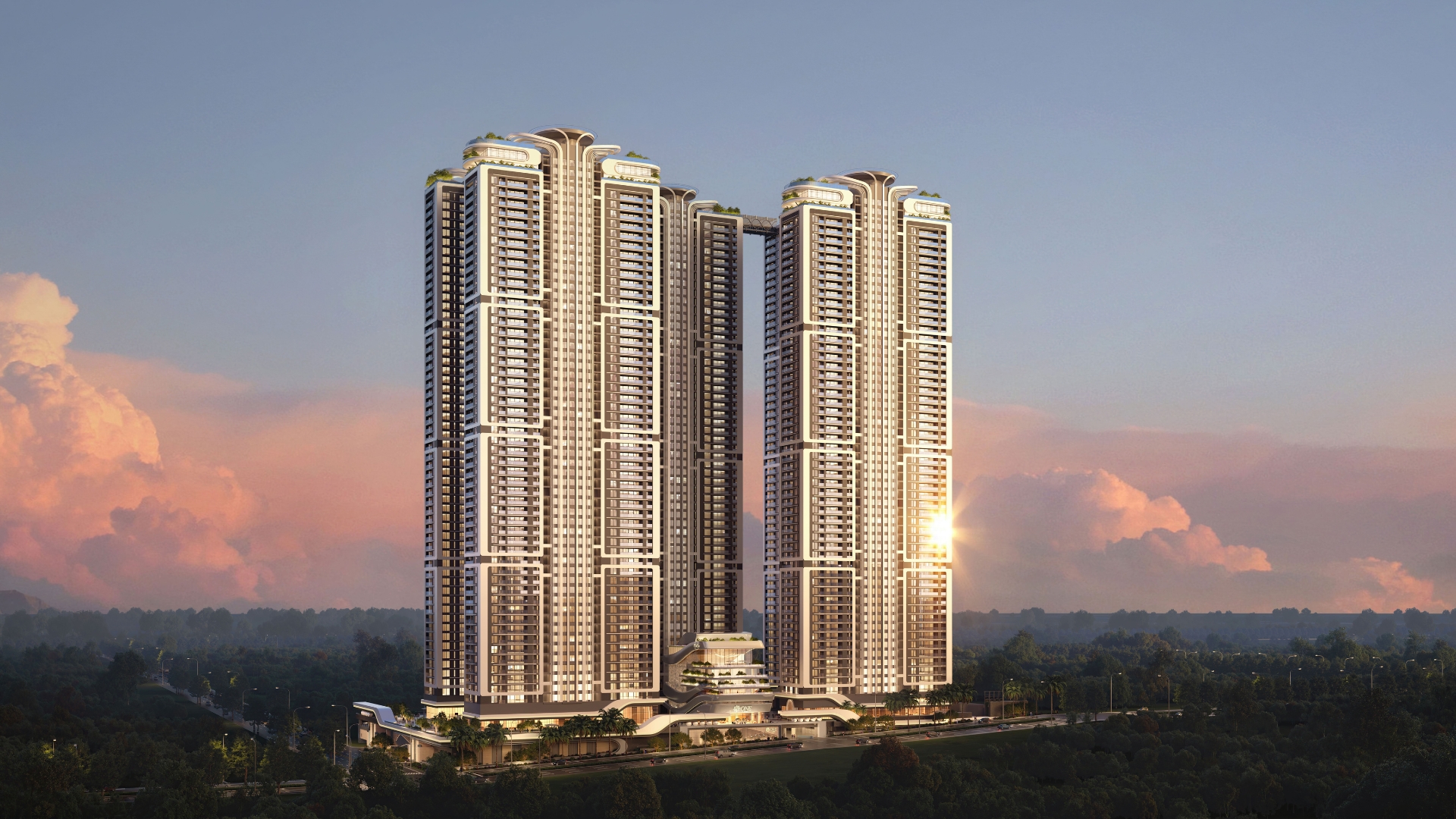
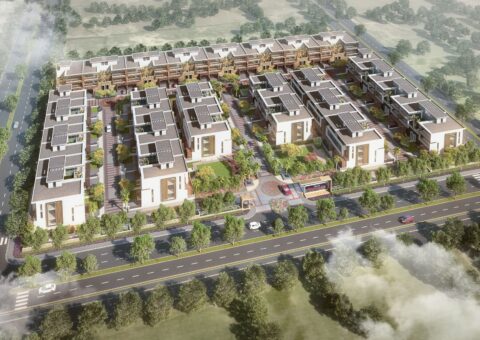
At One by MSN in Hyderabad, this approach informs the planning logic. Residences follow a dual-core system where public and private domains run in parallel. Circulation is choreographed through private lobbies and transitional corridors that mediate arrival. Each home opens toward Osman Sagar, allowing the view to function as a calm, ambient presence. Terraces, light, and landscape frame daily movement, creating homes that feel expansive while maintaining a sense of enclosure. The result is a retreat-like environment shaped through spatial order, supporting wellness in homes through design rather than isolation.
Wellness Beyond Amenities
Contemporary luxury housing often associates wellness with gyms, spas, or dedicated facilities. While these have value, deeper wellbeing emerges from more fundamental architectural decisions. Natural light and ventilation, acoustic comfort, and material tactility influence how a home feels over time. Proportions, visual calm, and reduced spatial clutter contribute to mental ease in ways amenities alone cannot.
When architecture prioritises breathable layouts, filtered daylight, and measured transitions between rooms, wellness architecture becomes an everyday condition. The home supports rest without requiring deliberate effort, and sensory comfort in homes is embedded into routine living.
Contextual Luxury
In India, this evolving idea of wellness-driven luxury is closely tied to climate, landscape, and cultural living patterns. Climate responsive homes India must address heat, light intensity, and the need for both family togetherness and personal privacy. Luxury is therefore expressed through openness to nature, shaded outdoor extensions, and layouts that accommodate multi-generational rhythms, often informed by biophilic residential design principles.
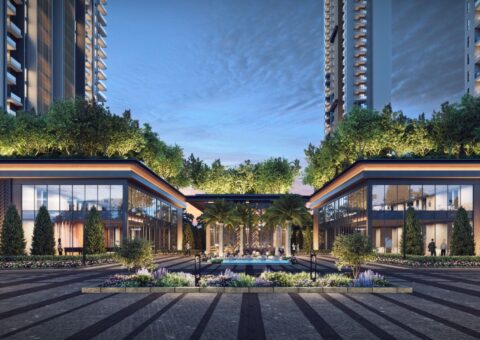
Silverglades Legacy in Gurugram reflects this contextual approach. Located at the foothills of the Aravallis, the development emphasises openness on multiple sides of each residence, encouraging natural airflow and long views. Low density housing, with only two homes per floor, reinforces privacy and quietude. Landscaped avenues, distributed clubhouse blocks, and generous clearances ensure that nature remains an integral presence. Here, environmental response and spatial generosity together define a place-based, sustainable approach to luxury home design.
Conclusion
As expectations from homes evolve, luxury is being redefined through privacy, sensory comfort, and long-term livability. Design that carefully sequences space, moderates exposure, and works with climate creates environments that restore as much as they impress. In this direction, contemporary luxury housing supports not only how people live, but how they sustain themselves over time.
As architectural boundaries continue to be pushed, luxury housing in India will undoubtedly remain at the forefront of architectural innovation, offering residents a life of unmatched luxe and style while enabling community living.