Architecture becomes democratic when it moves beyond a single client brief and designs for the full range of people who will live and engage with the built environment. This plurality of users is the starting point for a #PeopleFirst ethos that treats buildings as public instruments and architecture as a backdrop for everyday life.
What #PeopleFirst means
#PeopleFirst architecture begins with the question: who will use this place, how, and at what times? It prioritises putting people first by making the buildings' accessibility, legibility, comfort, and dignity primary design drivers. In practice, this means designing clear pedestrian flows, inclusive entry sequences, generous public thresholds, adaptable interior plans, and landscape moments that welcome different kinds of occupation, from formal work to informal gathering.
Architecture as Everyday Experience
Designing for people begins with empathy, understanding that architecture is not merely a physical container but a lived experience shaped by diverse users. It’s about anticipating movement, comfort, accessibility, and connection. At its best, this translates into spaces that are porous, inclusive, and responsive to everyday life.
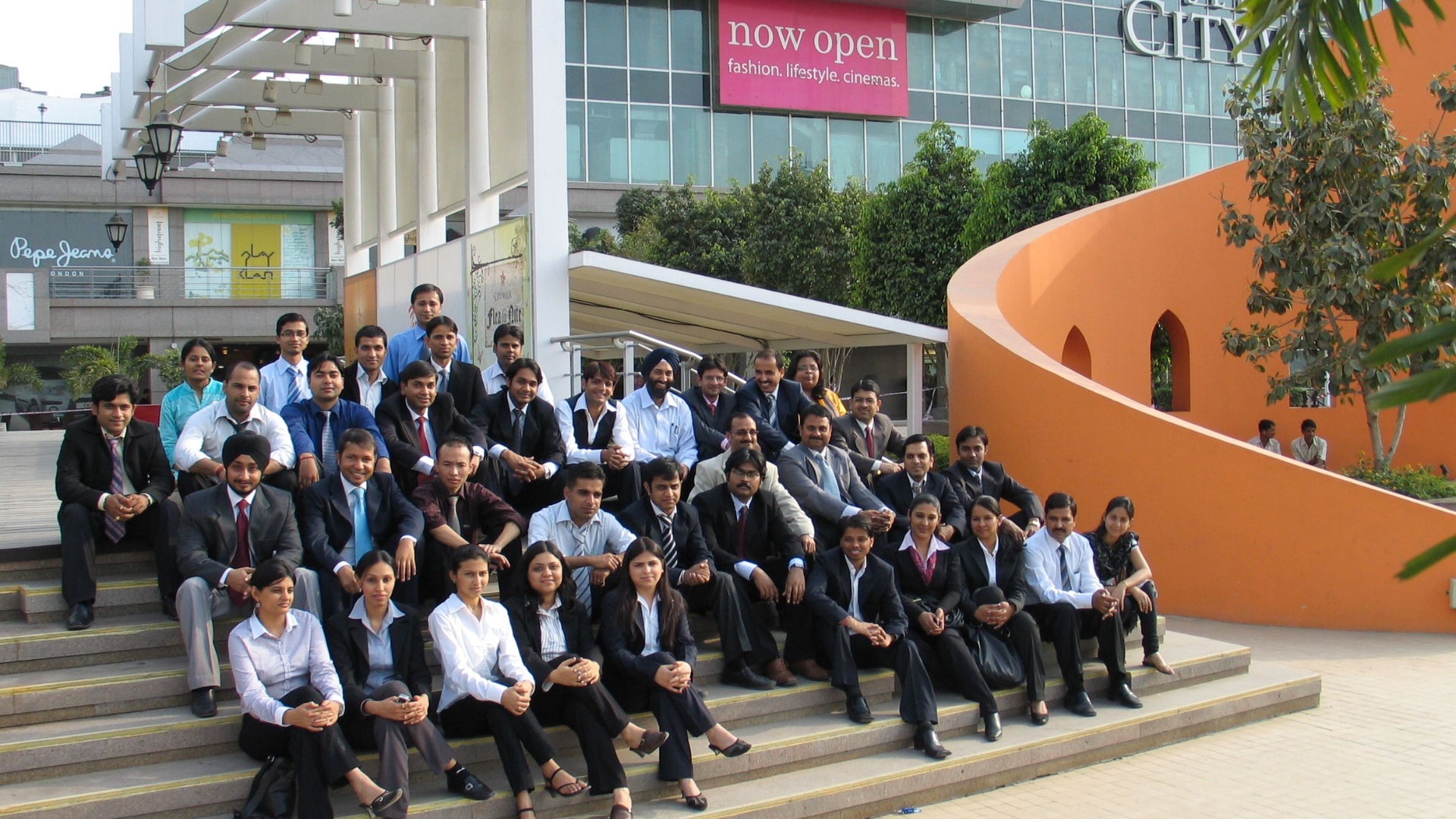
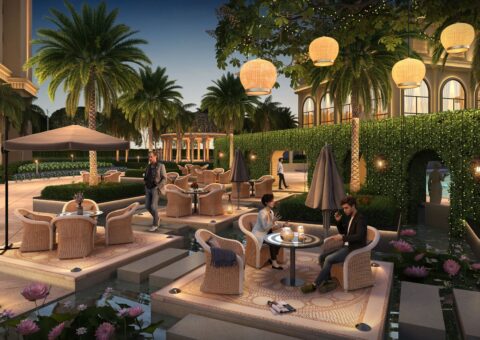
Projects like Select Citywalk and Eldeco Centre in New Delhi redefine what a commercial space could be. Rather than enclosing visitors within a shopping box, the design opened to the city with landscaped courts, water features, and amphitheatres that invite gathering and leisure. These transitions between indoors and outdoors created moments of pause, allowing families, youth, and office-goers to use the space in their own ways. The result was a retail centre that behaves like a civic plaza, expanding the vocabulary of public architecture in India.
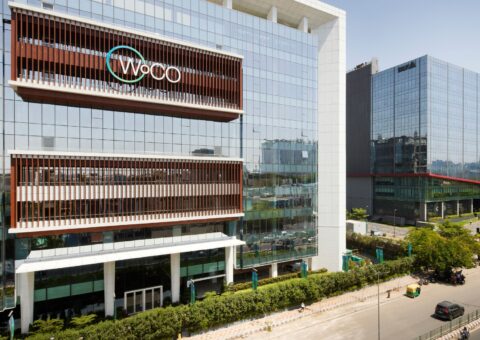
The same ethos continues in the workplace. At WoCO One, Gurugram, the idea of #PeopleFirst took form as an integrated green campus, where workspaces coexist with gardens, shaded balconies, and natural light. This blending of landscape and structure supports how people work and interact, reframing the office as a community environment that nurtures both collaboration and reflection.
Public institutions call for an architecture of empathy, one that balances accessibility with dignity and authority with openness. Projects such as the Delhi High Court complex and Vanijya Bhawan establish new benchmarks for public buildings, where clarity of circulation, equitable work environments, and humane forecourts translate institutional gravity into public legibility. Here, the #PeopleFirst design is expressed through spatial transparency and trust in architecture that allows citizens to see and engage with the systems that serve them.
The same principle extends into transit infrastructure. From the ITO Skywalk to large-scale railway and airport developments, these interventions demonstrate how civic movement can be choreographed with care. Designing for millions becomes an act of designing for plurality, enabling people of all ages, abilities, and purposes to share space with safety and ease. When infrastructure becomes intuitive and inclusive, the city moves not just efficiently, but collectively.
#PeopleFirst in the Future
#PeopleFirst architecture is not a single tactic but a persistent orientation: design that begins with people and remains accountable to them. As cities densify and user needs diversify, civic architecture must keep asking: who have we not yet designed for? How will climate resilience, ageing populations, and informal economies change patterns of use? Buildings that respond to the full spectrum of users become more than structures; they become places where everyday life thrives.
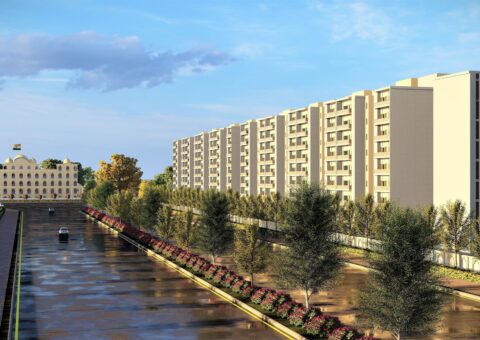
As architectural boundaries continue to be pushed, luxury housing in India will undoubtedly remain at the forefront of architectural innovation, offering residents a life of unmatched luxe and style while enabling community living.