Urban expansion is rarely uniform. As metropolises scale, they evolve along entirely distinct economic trajectories: from tech-driven sprawls to stable, end-user-driven markets. For modern residential architecture, a standardised, one-size-fits-all model is no longer viable. Moving beyond transactional metrics such as square footage, contemporary housing must act as an extension of the localised urban fabric, treating each city as a unique canvas that demands its own spatial logic and architectural language.
A Regional Perspective
A common thread emerging across expanding metropolises is that housing has evolved beyond the physical unit; it is about how a development structurally responds to its context—whether that means climate, tradition, or local lifestyle values. Each geography carries varied priorities and spatial expectations. Architecture, therefore, must shift from imposing a generic form to listening to the collective memory and everyday patterns of a place, designing for specificity over standardisation.
One Geography, Three Architectural Manifestations
At Design Forum International (DFI), our practice across diverse Southern landscapes demonstrates how listening closely to local urban nuances shapes distinct design typologies, as seen in,
Hyderabad
Hyderabad’s urban culture is defined by rapid, high-growth master planning, global exposure, and an appetite for vertical grandiosity. Here, the architectural challenge is to balance monumental scale with private sanctuary, providing a sense of retreat for a highly driven, tech-centric demographic.
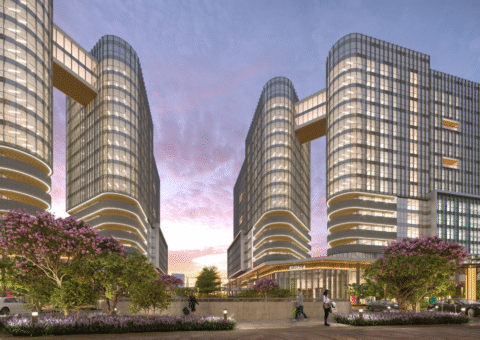
This philosophy is materialised in One by MSN, Hyderabad. Overlooking a nearby lake, the project avoids conventional, dense grid configurations. It utilises a dual-core logic that physically segregates public engagement zones from private spaces, responding to the global buyer’s demand for secluded quiet.
Chennai
In contrast, Chennai’s design culture is anchored by a discerning, stable end-user market that prioritises value, spatial efficiency, and structured, highly organised communities. The urban fabric demands high-density planning that does not sacrifice collective breathing room or cultural familiarity.
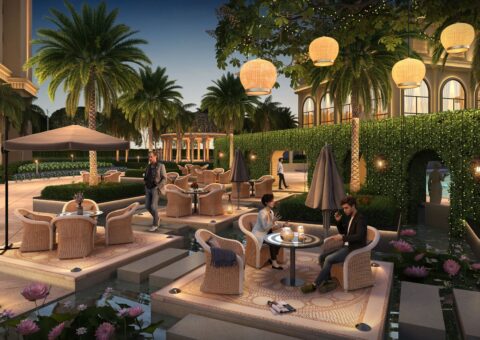
At Casagrand Suncity, the master plan intentionally creates an expansive 80% open, green footprint, arranging unit clusters around a central courtyard and amphitheatre to foster traditional community life. The architectural innovation lies in combining industrial efficiency with cultural expression: executing precise, classical Roman-themed facade elements within a modern, rapid-assembly aluminium structural framework.
Bengaluru
Bengaluru’s urban narrative is shaped by an influx of professionals from diverse demographics and horizontal tech sprawl. Its residents value flexibility, integrated neighbourhood ecosystems, and a seamless blend of varied housing typologies that support diverse lifestyle choices within a single community fabric.
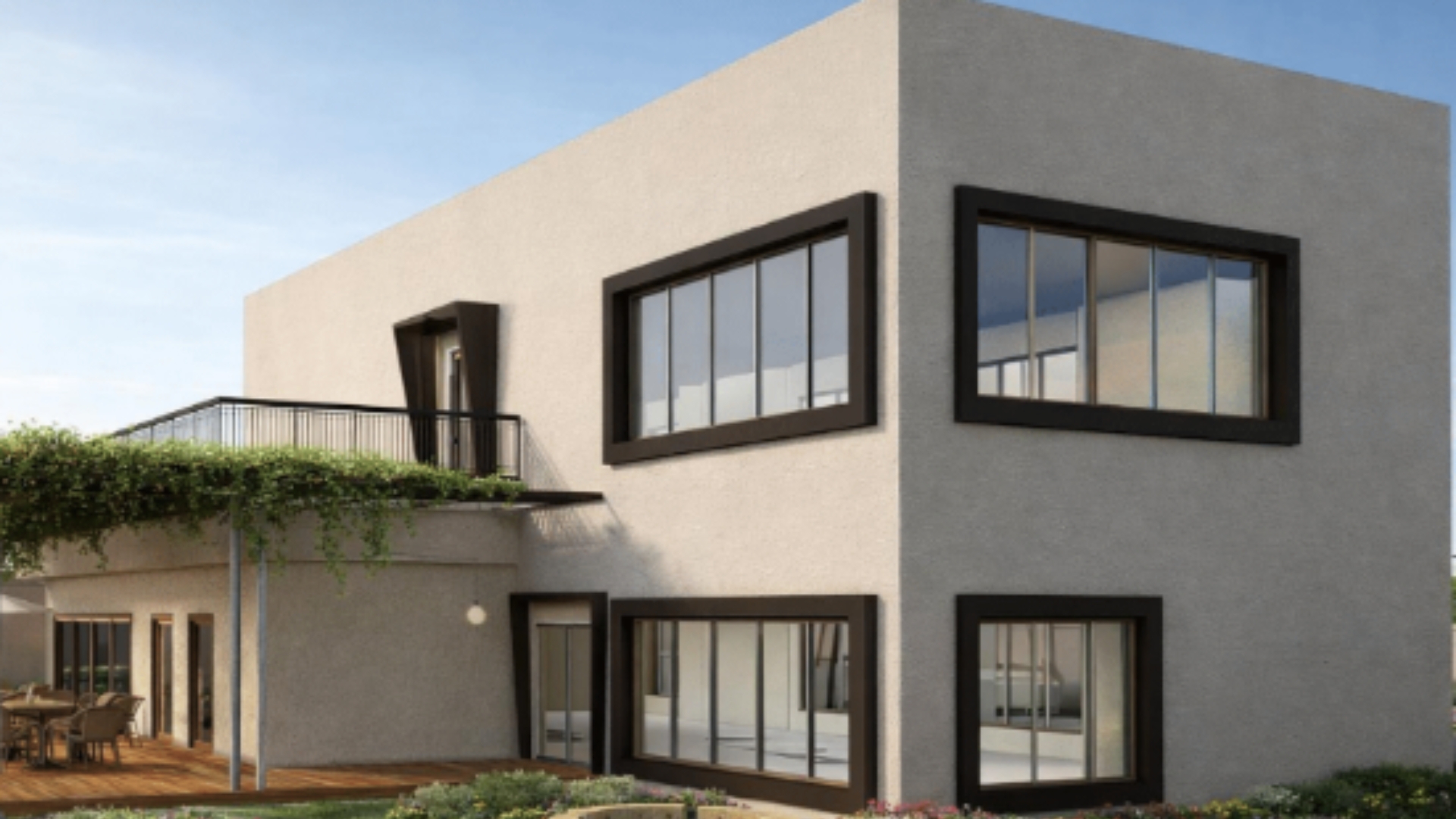
This fluid urban logic guides the design of Casagrand Estancia in Bangalore. Spanning a 7.3-acre site, the master plan rejects single-use monotony by implementing a mixed-density layout. By integrating apartments, villas, and row houses into a single, cohesive neighbourhood framework, the architecture reflects Bengaluru's progressive, egalitarian community model, allowing low-rise privacy and high-rise density to coexist.
Designing with Specificity
Residential architecture cannot rely on past assumptions or imported templates. True sustainability and long-term value in urban housing come from holding experience lightly and prioritising deep observation over preconceived formulas. The future of liveable Indian cities relies on acknowledging these distinct urban souls and anchoring every development firmly within the context it serves.