Evolution of Luxury Real Estate in North India
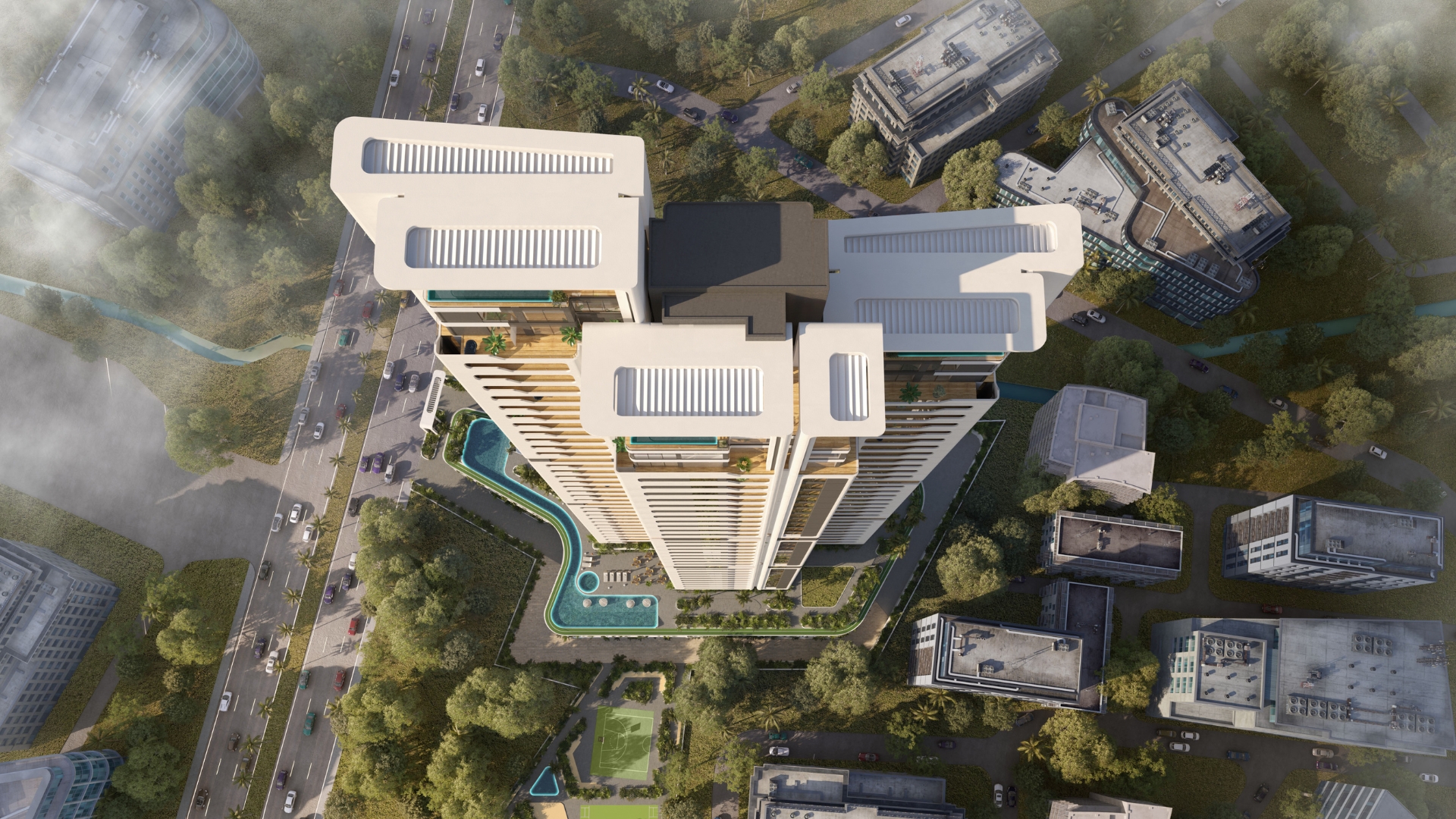
Luxury housing in North India is undergoing a gradual but significant shift. For years, the category was largely defined by scale, location, and high-end finishes. Today, expectations around premium residences are becoming more layered. Buyers are looking for homes that anticipate long-term change, responding to evolving work cultures, shifting family structures, and the growing need for comfort across seasons.
This transition is closely linked to demographic and lifestyle changes across the region’s major urban centres. Population growth in cities such as Delhi, Gurugram, and Noida has been accompanied by the rise of globally mobile professionals and entrepreneurs. The widespread adoption of hybrid and work-from-home models has also redefined how homes are used. Residences that once served primarily as places of retreat are now expected to support multiple activities throughout the day.
Homes increasingly accommodate work, learning, recreation, and social interaction within the same spatial framework. As a result, buyers are evaluating properties not only for prestige but also for their ability to sustain everyday living patterns over time.
Design and Experience Features
As expectations evolve, the definition of luxury is expanding beyond square footage. Spatial quality, access to natural light, and environmental comfort are becoming equally important markers of value. Climate-responsive design is therefore emerging as a critical consideration in North India’s high-end residential projects.
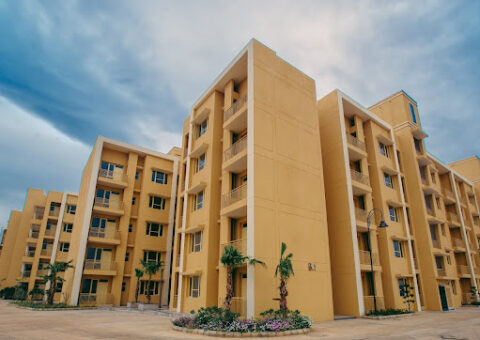
Orientation, shading strategies, landscaped buffers, and deep balconies are being used to mitigate heat and glare while maintaining connections to outdoor environments. These measures improve thermal comfort and daylight quality, ensuring that interiors remain usable throughout the day and across seasons. Such strategies also contribute to long-term operational efficiency, aligning luxury living with sustainability goals.
Interior planning is also becoming more adaptable. Instead of rigidly compartmentalised layouts, homes are incorporating flexible rooms that can transition between study areas, workspaces, or guest suites as needs change. Transitional spaces such as foyers, terraces, and semi-open lounges are being reintroduced as places for pause and informal interaction. These zones help organise movement through the home while allowing residents to shift between privacy and social engagement.
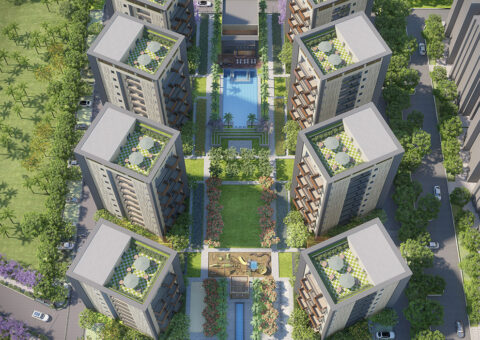
At the scale of the development, amenities are evolving from isolated facilities to integrated experience ecosystems. Landscaped courtyards, wellness zones, and community spaces are being planned as extensions of everyday living. These shared environments create opportunities for recreation and interaction without compromising the privacy expected in luxury residences.
What’s Next for North India’s High-End Market
Looking ahead, resilience will likely shape the next phase of luxury housing in North India. Climate conditions across the region continue to intensify, making passive environmental strategies and resource-efficient systems increasingly relevant.
At the same time, buyers are evaluating homes through the lens of long-term value. Adaptable layouts, durable materials, and thoughtful planning contribute to stronger resale potential by keeping residences relevant as lifestyles evolve.
Luxury real estate in North India is therefore moving toward a broader definition of value. Beyond scale and aesthetics, architecture is being asked to balance environmental intelligence, flexibility, and everyday comfort. When design anticipates how people live, work, and adapt over time, it creates homes that remain resilient, desirable, and deeply connected to contemporary life.
As architectural boundaries continue to be pushed, luxury housing in India will undoubtedly remain at the forefront of architectural innovation, offering residents a life of unmatched luxe and style while enabling community living.