Architecture is more than buildings; it is the story of how people live, move, connect, and thrive. As Design Forum International marks three decades of practice, this milestone is not just a celebration of longevity but a reflection on the values, ideas, and collective efforts that have shaped a journey of design with purpose. The story of these three decades is not merely about structures, but about ideas that became spaces where people live, gather, and belong — a true reflection of modern Indian architecture.
A Language of Responsibility
In the formative years, DFI sought to establish an architectural vocabulary that was not ornamental but purposeful. Design was seen as a responsibility: to context, to community, and to craft.
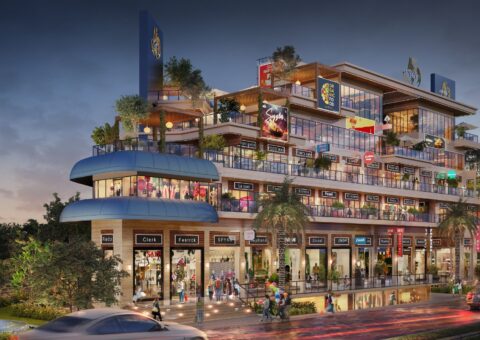
Projects such as Select Citywalk, New Delhi, embodied this approach. Far more than a retail centre, it was envisioned as a cultural plaza where leisure, commerce, and community converged. Minimalist materiality and tensile roofing softened the scale of the mall, while landscaped courts and water features created pauses of intimacy within the bustle of the city. It marked a shift in how the everyday act of shopping could become a social experience, setting new benchmarks for urban design and placemaking in India.
Infrastructure and Nation-Building
As DFI expanded in scale and ambition, we became increasingly engaged with the architectural dimension of nation-building in India. Architecture was not limited to iconic structures, but extended to the very systems that enable civic life: transport, offices, workplaces, housing, and public infrastructure.
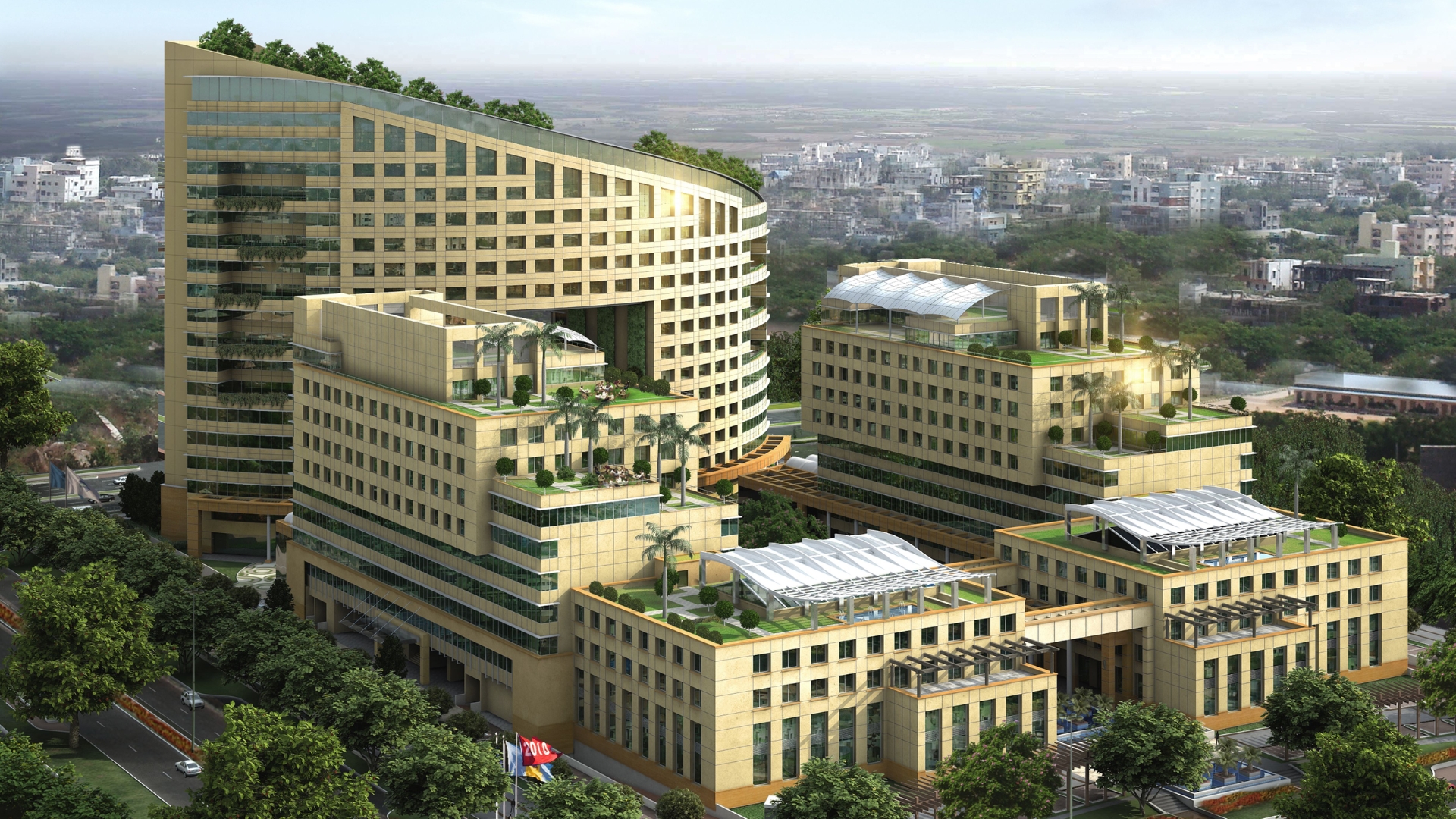
Projects like Cyberwalk, Manesar, pointed to a redefinition of the workplace. Set within 1.8 million square feet of office campus, Cyberwalk wove landscape and infrastructure into a singular environment. The idea was simple yet radical — that work could happen not in isolation from nature, but in harmony with it. This was an early step towards sustainable architecture in India.
The Eldeco Centre, New Delhi, demonstrated the potential of mixed-use architecture to shape a thriving urban hub. Sitting at the heart of Malviya Nagar, it stitched retail, leisure, and efficient workspaces into one continuum, proving that architecture could adapt fluidly to social rhythms while supporting urban growth in Indian cities.
Design as Inclusion
As the practice evolved, so did its commitment to social inclusion. Cities were no longer seen as collections of buildings but as living systems, and design became a tool for building connections — between people, between communities, between aspirations.
Public spaces, walkways, and plazas were transformed from transitional corridors into places of pause, interaction, and meaning. Transit hubs, large-scale housing, and civic infrastructure carried within them a belief: that design must touch lives not at the margins but at the heart of everyday experience.
Projects such as large-scale housing townships, airport facilities, and transit stations were infused with this philosophy, setting a precedent for what inclusive, people-centred architecture in India could look like in a rapidly urbanising nation.
Looking Towards the Next Thirty
As DFI completes three decades, the gaze turns forward. The questions that shaped the studio in its early years remain, but their scale has evolved. How can Indian architecture anchor sustainability without losing cultural resonance? How can public architecture become more democratic, more inclusive, more climate-resilient? And how can architecture contribute not only to the skyline, but to the soul of a nation?
The journey ahead lies in continuity as much as in reinvention. Sustainability, inclusivity, and nation-building will remain central, but layered with new imperatives: resilience in the face of climate change, adaptability to shifting technologies, and sensitivity to evolving patterns of urban life.
Thirty years of DFI is a living milestone and a reminder that architecture, at its best, is not about permanence alone, but about relevance across time.
As the next three decades unfold, the commitment remains unchanged: to design with responsibility, to build for inclusion, and to contribute, in every brick and blueprint, to the larger project of shaping the future of architecture in India.
As architectural boundaries continue to be pushed, luxury housing in India will undoubtedly remain at the forefront of architectural innovation, offering residents a life of unmatched luxe and style while enabling community living.