Traditionally considered transactional venues, retail hubs often focus on perception, the ability to present products and services convincingly as the paramount tool. Opposed to inward-facing, enclosed spaces that isolate potential shoppers from the building, the retail industry is focusing on innovative presentation strategies, designed to captivate even casual passersby, enticing them to engage in spontaneous window shopping. The shift from commercial buildings to communal hubs is revolutionising the landscape of retail design, compelling the designers to adopt user-centric approaches that maximise client engagement.
Integrating voids strategically within formerly enclosed structures and planning social pockets within massive buildings creates meaningful connections between interior experiences and street life. These visual connections often increase transparency and make the users feel incredibly curious to explore what’s inside the building, gradually increasing the foot traffic. Yet balance remains crucial—preserving exclusivity through selective physical access ensures the customer experience isn't diminished by excessive public exposure.
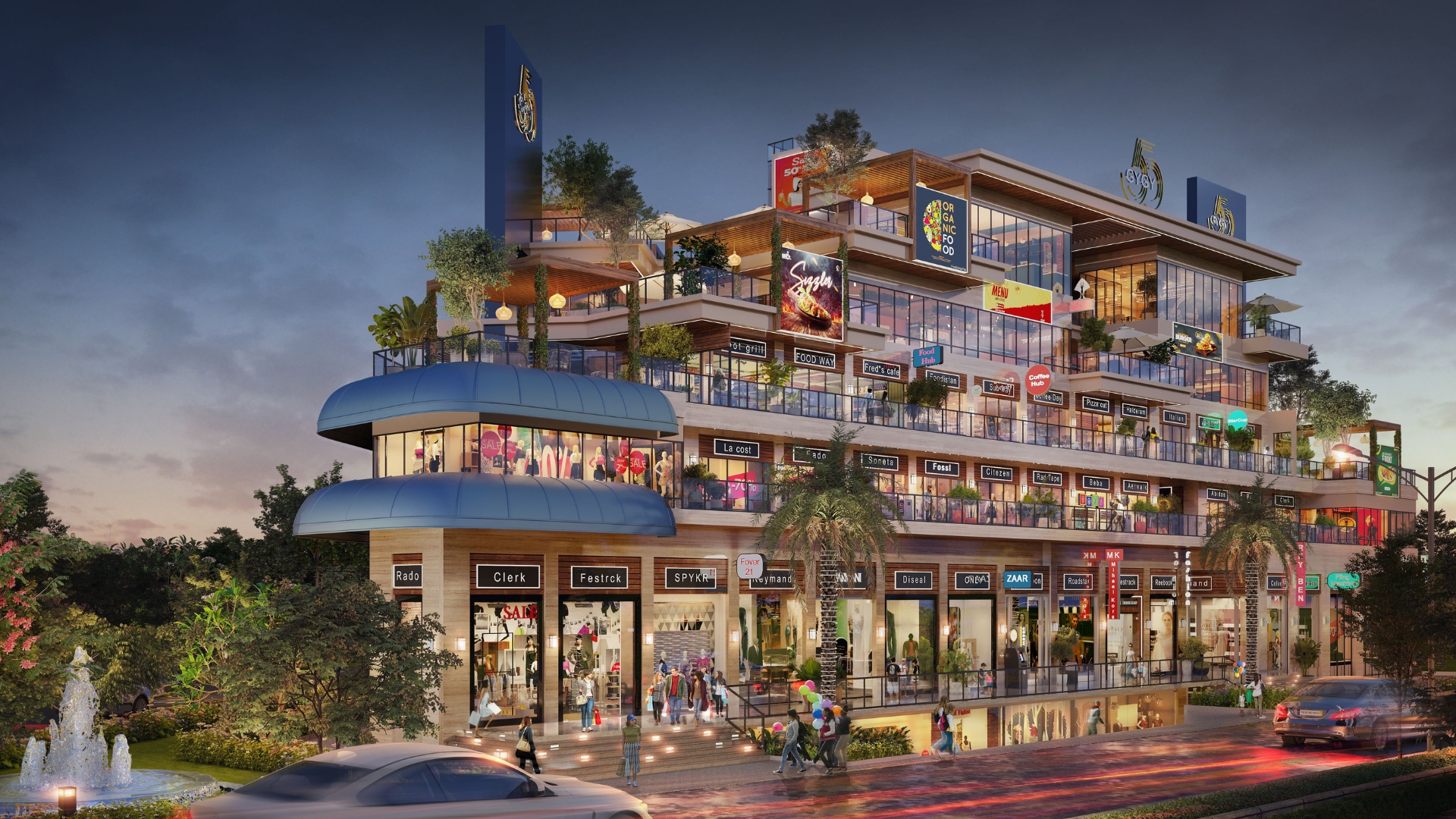
GyGy 5o exemplifies this evolution—a landmark high-street destination designed by DFI in a densely populated residential area that reimagines contemporary shopping environments. Its thoughtful vertical zoning restricts retail to lower floors while dedicating upper levels to culinary experiences that evoke the charm of street-side eateries, all guided by a "people first" philosophy. The upper spaces that spill out to the public as open cabanas offer street passersby tantalising glimpses of the activities within.
The need for retail spaces to advance into communal nodes is rising, as the perception of users is considered the ultimate tool for driving sales and services. Transparency that generates curiosity and familiarity that initiates accessibility have emerged as the key factors redefining the retail landscape. By crafting an interface to the street public, instead of making closed boxes, these new retail environments enrich urban experiences and establish a lasting value of open experiences.
As architectural boundaries continue to be pushed, luxury housing in India will undoubtedly remain at the forefront of architectural innovation, offering residents a life of unmatched luxe and style while enabling community living.